




June 24, 2026



In-Home ABA Therapy in Houston & Pearland
For many families, therapy is most effective when it happens where daily life actually takes place. In-home ABA therapy in Houston gives children the opportunity to build communication, behavior, social, and daily living skills in a familiar environment with the people and routines they know best.
At Autism Pediatric Therapy, we provide in-home ABA support for children and families in Houston, Pearland, Clear Lake, and nearby communities. Our team helps children practice meaningful skills in real-life settings while giving parents practical strategies they can use throughout the day.
Whether your child needs help with communication, transitions, mealtime, hygiene, play, safety, or behavior at home, in-home ABA therapy can help turn everyday routines into opportunities for growth.
What Is In-Home ABA Therapy?
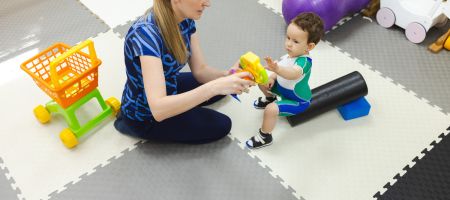
In-home ABA therapy brings Applied Behavior Analysis services into the child’s natural environment. Instead of learning only in a clinic or center, the child practices skills in the places where those skills matter most: the living room, kitchen, bedroom, bathroom, backyard, and family routines.
In-home ABA therapy in Houston may focus on skills such as:
- Requesting help, food, toys, or breaks
- Following home routines
- Reducing challenging behaviors
- Improving transitions
- Building play skills
- Practicing self-care and hygiene
- Increasing independence
- Strengthening parent-child communication
- Supporting safety skills
- Helping children generalize clinic-based progress at home
In-home ABA is not just therapy that happens inside a house. It is therapy designed around the child’s real environment, real routines, and real family goals.
How In-Home ABA Differs From Center-Based ABA
Both center-based and in-home ABA therapy can be valuable. The right fit depends on the child’s needs, family goals, schedule, behavior patterns, and where the child needs the most support.
A center-based program may provide structured learning, peer opportunities, and a controlled therapy environment. In-home ABA may be more focused on daily routines, parent coaching, behavior support at home, and skill generalization.
Center-Based vs. In-Home ABA Therapy
Families searching for center-based vs in-home ABA are often trying to understand which setting will help their child make the most practical progress. For some children, one setting is best. For others, a combination of center-based and in-home strategies may be appropriate.
Who Is In-Home ABA Therapy Right For?
In-home ABA therapy in Houston may be a good fit for children who need direct support with home-based routines, family participation, communication, independence, or behavior challenges that happen most often outside the clinic.
In-home ABA may be especially helpful if your child has:
- Meltdowns during transitions at home
- Struggles with bedtime, mealtime, hygiene, or toileting routines
- Difficulty communicating needs to parents or siblings
- Needs support following directions in the home
- Shows challenging behavior that is hard to recreate in a clinic
- Needs help generalizing skills learned in therapy
- Safety concerns such as running, climbing, or unsafe play
- Needs parent-supported behavior strategies
- Responds better in a familiar environment
- Family goals that are closely tied to daily routines
In-home therapy can also support children who are working on early communication, play skills, behavior reduction, independence, and daily living skills.
Building Skills in the Natural Environment
One of the biggest benefits of in-home ABA is generalization. Generalization means the child can use a skill across different people, places, materials, and situations.
A child may learn to request “help” during a therapy activity, but the bigger goal is for the child to request help when a toy is stuck, a snack package will not open, or shoes are hard to put on. A child may practice transitions in a structured setting, but the real-life goal is to move from tablet time to dinner, bath to pajamas, or playtime to leaving the house.
Examples of Natural Environment Goals
By practicing skills in context, children can learn how to use them when they actually need them.
Parent Training Is Built Into the Process
Parent involvement is one of the most important parts of in-home ABA therapy. Since therapy happens in the family’s environment, caregivers can see strategies in action and learn how to use them throughout the week.
Parent training may include:
- Understanding the function of behavior
- Using reinforcement effectively
- Giving clear directions
- Building communication opportunities
- Teaching replacement behaviors
- Supporting transitions
- Using visual schedules and first/then boards
- Responding to meltdowns safely and calmly
- Encouraging independence during routines
- Helping skills carry over outside therapy sessions
The goal is not to make parents become therapists. The goal is to give parents practical tools that make daily life more manageable and help their child continue learning between sessions.
Behavior Support at Home
Some behaviors are difficult to fully understand unless they are observed in the setting where they happen. In-home ABA allows the therapy team to see what happens before, during, and after challenging moments.
This can be especially helpful for behaviors related to:
- Transitions
- Escape from tasks
- Communication frustration
- Attention-seeking behavior
- Sensory needs
- Mealtime struggles
- Screen time limits
- Hygiene routines
- Sibling conflict
- Safety concerns
When behavior support is built around the actual home routine, strategies can be more realistic, consistent, and easier for caregivers to use.
Service Areas for In-Home ABA Therapy
Autism Pediatric Therapy provides autism services for families in the Greater Houston area, including Houston, Pearland, League City, Pasadena, Nassau Bay, Webster, and surrounding communities. Availability for in-home ABA may depend on your location, scheduling, clinical fit, provider availability, and insurance requirements.
Families can learn more about local services through our area pages:
- ABA Therapy in Houston
- ABA Therapy in Pearland
- ABA Therapy in League City, Pasadena, Nassau Bay, Webster, and surrounding communities.
You can also learn more about our clinic locations here:
If you are not sure whether your home is within our current service radius, the best next step is to contact our team for a discovery call.
What to Expect When You Start
Getting started with in-home ABA begins with understanding your child’s needs and your family’s goals. Autism Pediatric Therapy will review your child’s diagnosis, insurance information, assessment needs, and recommended services before therapy begins.
In-Home ABA Process
Why Choose Autism Pediatric Therapy?
Autism Pediatric Therapy provides individualized autism support for children and families in Houston, Pearland, Clear Lake, and nearby areas. We understand that families need more than a therapy schedule. They need a team that listens, explains the process clearly, and creates a plan that fits their child’s daily life.
Families choose us for:
- Individualized ABA therapy planning
- In-home and clinic-based support options
- Parent training tied to real routines
- Practical behavior strategies
- Communication and daily living skill development
- Insurance clearance support
- Local service in Houston, Pearland, and Clear Lake
- A compassionate, child-centered approach
If you are searching for In-home ABA therapy in Houston, our team can help you understand whether in-home ABA is the right fit for your child.
Take the Next Step
In-home ABA therapy can help children practice meaningful skills in the routines and environments where they need them most. With the right support, children can build communication, independence, flexibility, and confidence at home and beyond.
Schedule a discovery call with Autism Pediatric Therapy today to learn more about In-home ABA therapy in Houston, Pearland, Clear Lake, and surrounding communities.