




Speak to an autism specialist and get a personalized plan for your child
Speak to an autism specialist Today!


Autism Pediatric Therapy offers social skills training for autism designed to help your child connect with peers in ways that feel natural rather than forced. From sharing a toy to holding a conversation, we teach the skills friendship actually depends on.
Social skills are difficult to practice alone, which is why our sessions bring children together in small, carefully matched groups rather than relying on one-on-one instruction alone. Your child gets genuine opportunities to share, take turns, and navigate group dynamics with peers working toward similar goals, which is exactly the kind of real practice that makes social skills training for autism actually work.
There is no generic social skills curriculum here. Every plan starts with an assessment of your specific child's strengths and challenges, whether that means starting with basic turn-taking or working on more advanced skills like reading tone of voice and body language. Our BCBAs design and adjust goals every six months, so your child is always working on what actually matters for them right now.
Learning to share a toy in our clinic does not automatically mean using that same skill at recess or a birthday party. Weekly parent coaching helps you reinforce these lessons in real settings, and our team works to build skills that generalize to school, family gatherings, and everyday social situations your child actually encounters throughout their week.
Many social skills that come naturally to some children have to be taught explicitly to others, and that is not a flaw, just a different learning path. Structured practice can turn skills that once felt confusing into something genuinely usable.
Our approach breaks social interaction into concrete, teachable pieces rather than treating it as one vague, unteachable thing.
Depending on your child's goals, sessions might focus on skills like these:

Every child is different, but families often start exploring social skills training for autism after noticing patterns like these. Consider reaching out if your child regularly shows:
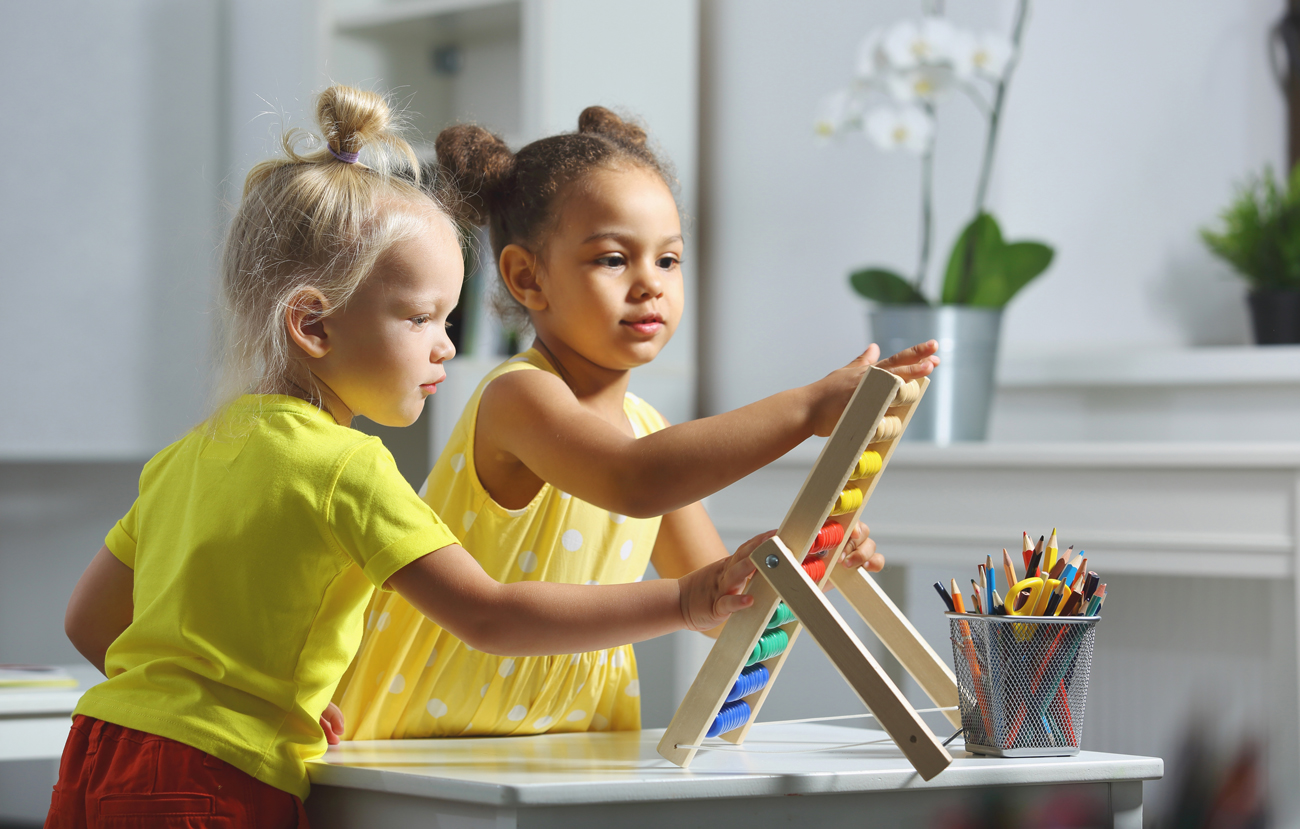
Social skills training for autism is often layered directly into center-based group sessions, giving your child real, structured chances to practice with other kids working toward similar goals.
It also connects closely with communication work, since holding a conversation and reading social cues both depend heavily on the language skills built through our broader program.
Read what other families have to say about their experience with Autism Pediatric Therapy, from their first phone call all the way through the progress they have seen since starting care with us.
It means directly teaching the skills that make social interaction work, things like sharing, taking turns, reading facial expressions, starting a conversation, and understanding another person's perspective. For many children, these skills need to be broken down and practiced explicitly rather than picked up automatically through observation.
At Autism Pediatric Therapy, this typically happens in small group settings where your child can practice these skills with real peers, under the guidance of a trained therapist who can prompt, model, and reinforce in the moment.
Social skills training is not separate from ABA, it is a focused application of it. General ABA therapy might address a wide range of goals, from daily living skills to communication, while social skills sessions zero in specifically on peer interaction and relationship-building.
For many children, social goals are woven directly into their broader ABA program rather than treated as a standalone service, so progress in one area tends to support progress in the other.
We work with children from 18 months through 12 years old, and social goals look very different across that range. A toddler might be working on parallel play and basic turn-taking, while an older child might focus on group conversation or navigating disagreements with friends.
There is no single age where social skills training becomes appropriate. It simply gets tailored to whatever stage of social development your child is currently working through.
No. While many of the children we see have an autism diagnosis, a formal diagnosis is not required to begin services. If you have specific concerns about your child's social development, our team can talk through those concerns on a first discovery call.
Waiting for a diagnosis before addressing social skill gaps often means losing time during years when those skills are especially responsive to targeted teaching.
Both, depending on your child's specific goals. Foundational skills sometimes start in a one-on-one setting before your child is ready for group practice, while more advanced social goals almost always benefit from real peer interaction.
Our team determines the right mix based on your child's initial assessment and adjusts that balance over time as skills develop and confidence grows.
We break broad social goals down into specific, observable behaviors, like initiating a greeting, waiting for a turn, or responding appropriately when a peer says something unexpected. Each of these can be tracked with real data over time.
Goals are reviewed and updated every six months, so you get a concrete picture of growth rather than a vague sense that things seem to be going better.
That carryover, often called generalization, is one of the biggest focuses of our approach. Skills practiced only inside a clinic do not automatically show up at recess or a birthday party without deliberate effort to bridge that gap.
Weekly parent coaching and, when appropriate, coordination with your child's school are both part of how we work to make sure skills learned in session actually get used in the settings that matter most to your family.
When woven into your child's broader ABA program, social skills work is generally covered under the same insurance plans that cover ABA therapy. We work with most major employer plans, including United Healthcare, Blue Cross, Aetna, Cigna, and Anthem.
The one exception is Medicaid, which we are not currently able to accept. Our team manages the entire approval process on your behalf, so insurance details do not become one more thing on your plate.
It begins with a discovery call, where we learn about your child's current social skills and any specific concerns you have. From there, we move into a behavioral assessment that helps shape exactly what your child's plan should prioritize.
Once insurance is confirmed, our team works to get your child started as quickly as possible, so real practice with peers can begin sooner rather than later.

At Autism Pediatric Therapy, compassion through action means giving your child real tools for real friendships, not just a checklist of skills. With small peer groups, individualized plans, and parent coaching built in, social skills training for autism here is designed to actually stick. Reach out today and help your child build connections that last.
At Autism Pediatric Therapy, we’re committed to providing the highest level of care for your child, guided by our core values. Our approach focuses on helping children thrive every step of the way, offering Houston ABA Therapy and tailored to each child's needs.
We honor our commitments, offering consistent and reliable care. With Houston ABA Therapy, your child’s progress is always our priority, ensuring they receive the support they deserve.
We prioritize honest, transparent communication with families. You’ll never feel alone in your child’s journey. Our team is dedicated to providing compassionate support, providing the best Houston Autism Therapy.
Our team is united by a deep passion for empowering children to reach their potential. We go above and beyond to help your child grow, learn, and succeed at their own pace.
If you don't see your insurance provider listed, please contact us to confirm if your insurance plan is included in our network.